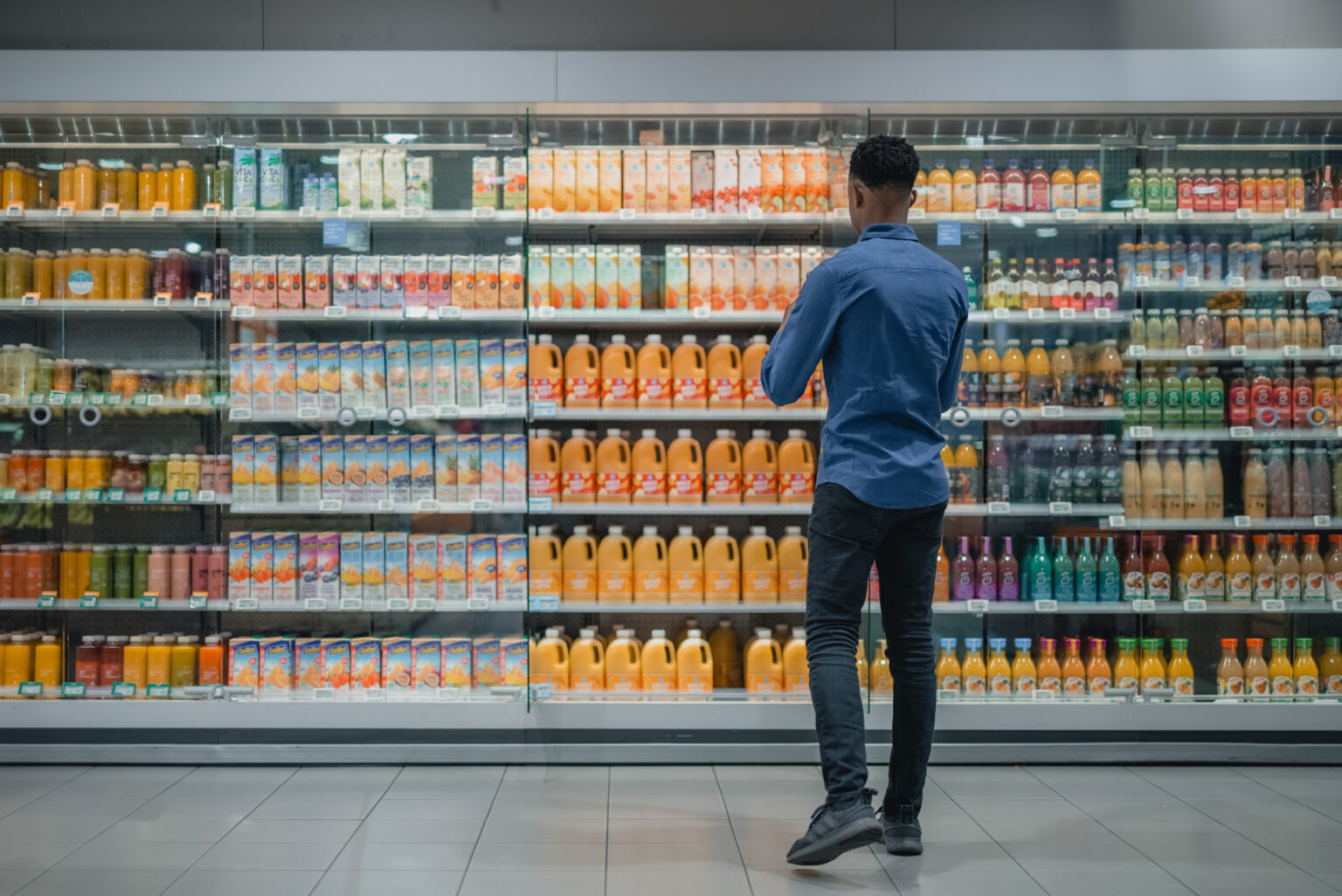
Mandatory commercial negotiations between suppliers (manufacturers) and retailers to define sales conditions for the coming year.
Assortment
The full range of product references selected and offered for sale by a retail outlet.
Average Basket Value
The average amount spent by a customer during a checkout transaction.
Bundling (Multi-pack)
Sale of several identical or complementary products grouped into a single bundle with a special price offer (e.g. buy 2 get 1 free).
Catchment Area
The geographical area around a store from which its customers come (or are likely to come).
Checkout Area
A strategic space in front of or around the checkouts where impulse products are displayed (candy, chewing gum).
Consumer Sales Unit
The product format as sold to the consumer (e.g. one bottle).
Convenience Store
A small local store (city center or rural area), characterized by a targeted assortment and generally higher prices.
Core Range
Products that are sold continuously by a store.
Coupon
A document or code entitling the customer to an immediate or deferred discount on the purchase of a product.
Cross-Merchandising
Joint presentation of complementary products in different aisles to encourage additional purchases (e.g. pasta sauce next to pasta).
Delisting
A decision to stop selling a specific product reference within a retailer’s assortment.
EAN (European Article Number)
Barcode used to uniquely identify a product.
End Cap
The end of an aisle, the most visible and highly sought-after location for promotional operations.
Facing
The number of units of the same product displayed side by side and visible on the shelf.
Hard discount
A retail model characterised by very low prices, a limited assortment (often private label), and simple presentation.
Incremental Sales
The increase in sales generated solely by a promotional action, excluding the product’s usual sales.
In-store Promotion / Commercial Activation
Promotional or event-based actions (tastings, demonstrations, contests, etc.) designed to stimulate in-store sales.
Last Mile
The final stage of product delivery, from the last warehouse to the store or end customer (especially important in e-commerce and click & collect).
Listing
Acceptance by a retailer to sell a product within its assortment.
Main Aisle
The main aisle of the store through which most customers enter, offering high visibility for promotional displays.
Merchandising
All techniques aimed at optimizing store layout and product presentation to maximize sales.
Non-Perishable Goods
Products with a long shelf life that do not require special storage conditions (dry groceries, canned goods).
Numeric Distribution (ND)
Percentage of stores that actually list (sell) the brand or product. Access our full article about Numeric Distribution.
Ordering Schedule (Replenishment Plan)
An internal store document used to manage orders and inventory by indicating purchase frequency and order quantities for each SKU.
Out-of-Stock (OOS)
A situation where a product is no longer available for sale in the store or aisle. Access our full article about out-of-stock.
Penetration Rate
Percentage of households/individuals who purchase the product or brand at least once during a given period.
Planogram
A detailed diagram showing the exact placement of products on shelves (number of facings, shelf levels, order). Access our full article about planogram compliance.
POS Advertising
Any in-store promotional material (posters, shelf talkers, totems) used to promote a product. Access our full article about POS Materials.
Potential Turnover
An estimate of the maximum revenue a product or store could generate over a given period, often based on the catchment area.