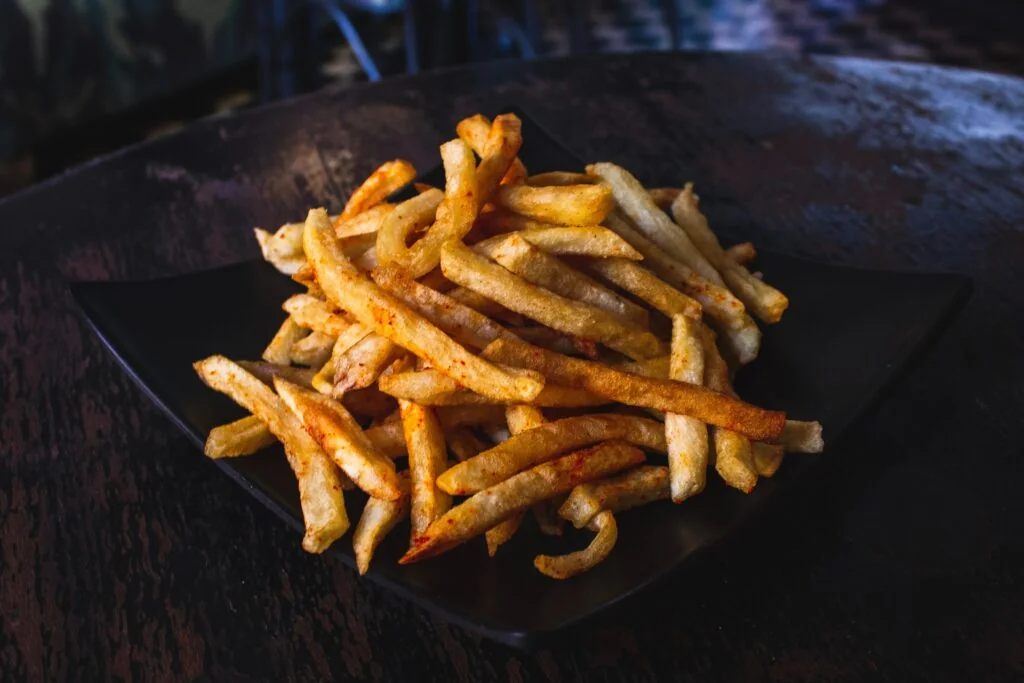
Fries are a fixture of the Benelux foodservice landscape, and the segment that serves them is one of the more dynamic parts of the market. Here is what our Market Monitor shows on snack bars, fry formats and regional density.
Worth settling first: French fries are widely held not to be French at all. The most repeated account traces the name to American soldiers in the First World War, who encountered them among French-speaking Belgian troops from Wallonia and assumed the origin followed the language.
Three Trends in the Segment
- Snack bar numbers in the Netherlands grew by over 2%.
- In Belgium the growth was over 4%, roughly double the Dutch rate.
- In social dining and fast casual restaurants, fresh fries are gaining ground on frozen.
The third point is the one worth acting on. A shift from frozen to fresh changes the supplier relationship, the equipment required and the margin structure — and it is happening in restaurant formats rather than in snack bars themselves.
Within the snacks and fries segment we track brand distribution, volumes sold, which sauces outlets use, which oil they fry in, and who supplies them. We have been measuring numeric distribution (ND) for brands and suppliers in this market for more than eight years.
Where the Snack Bars Are: The Netherlands
Density is markedly higher in the south of the country. South Holland has the largest absolute number, but it also has by some distance the largest population — around 3.7 million against 2.5 million for the southern provinces it is compared against. Per head of population, the south leads.
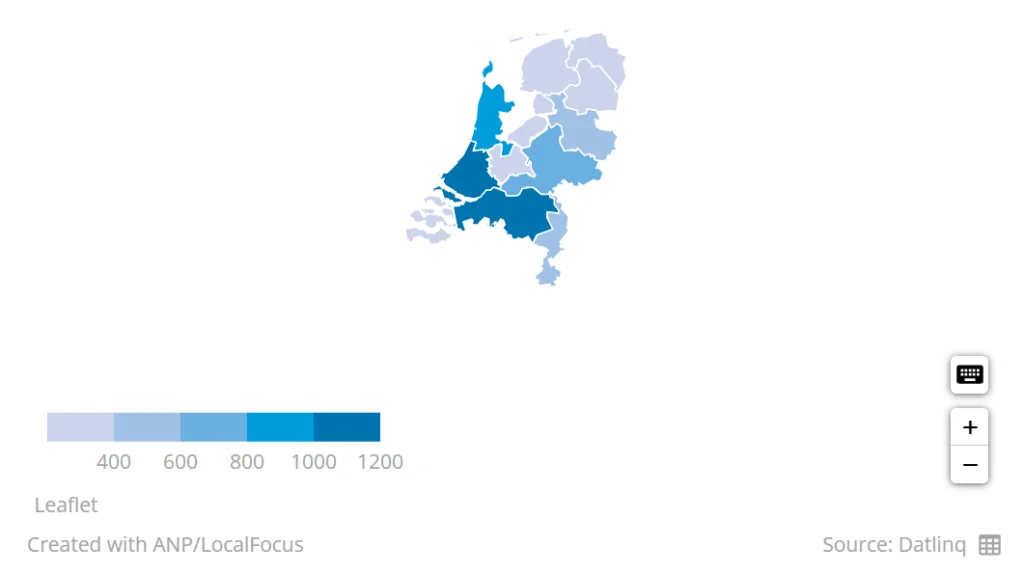
Snack bars by Dutch province. Source: Roamler Market Monitor.
Where the Snack Bars Are: Belgium
In Belgium, the province of Antwerp carries the highest number of snack bars.
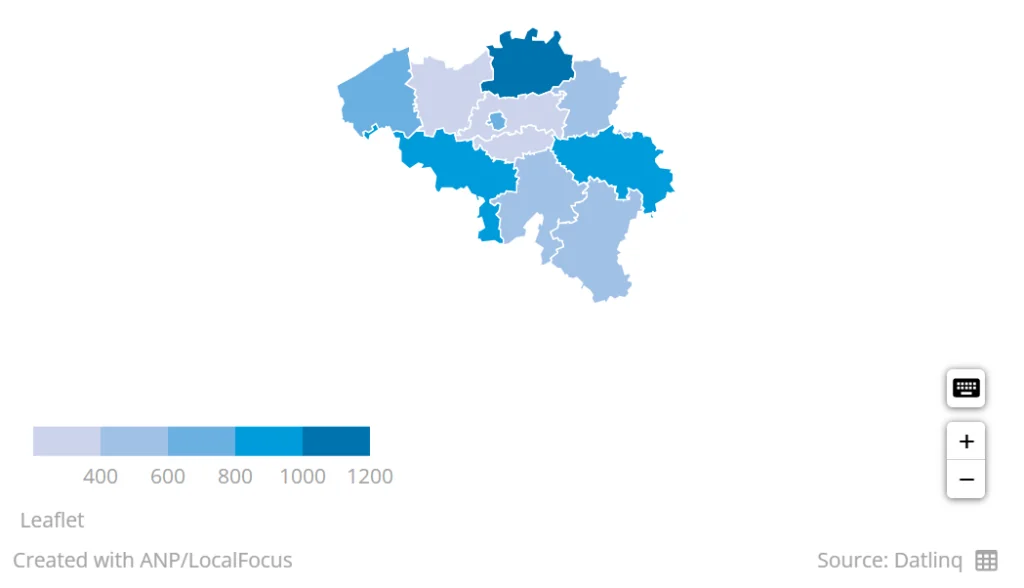
Snack bars by Belgian province. Source: Roamler Market Monitor.
Track Your Brand in the Snacks and Fries Segment
Our Market Monitor covers distribution, volumes, sauces, frying oil and main supplier across the Benelux foodservice market.
Contact our experts