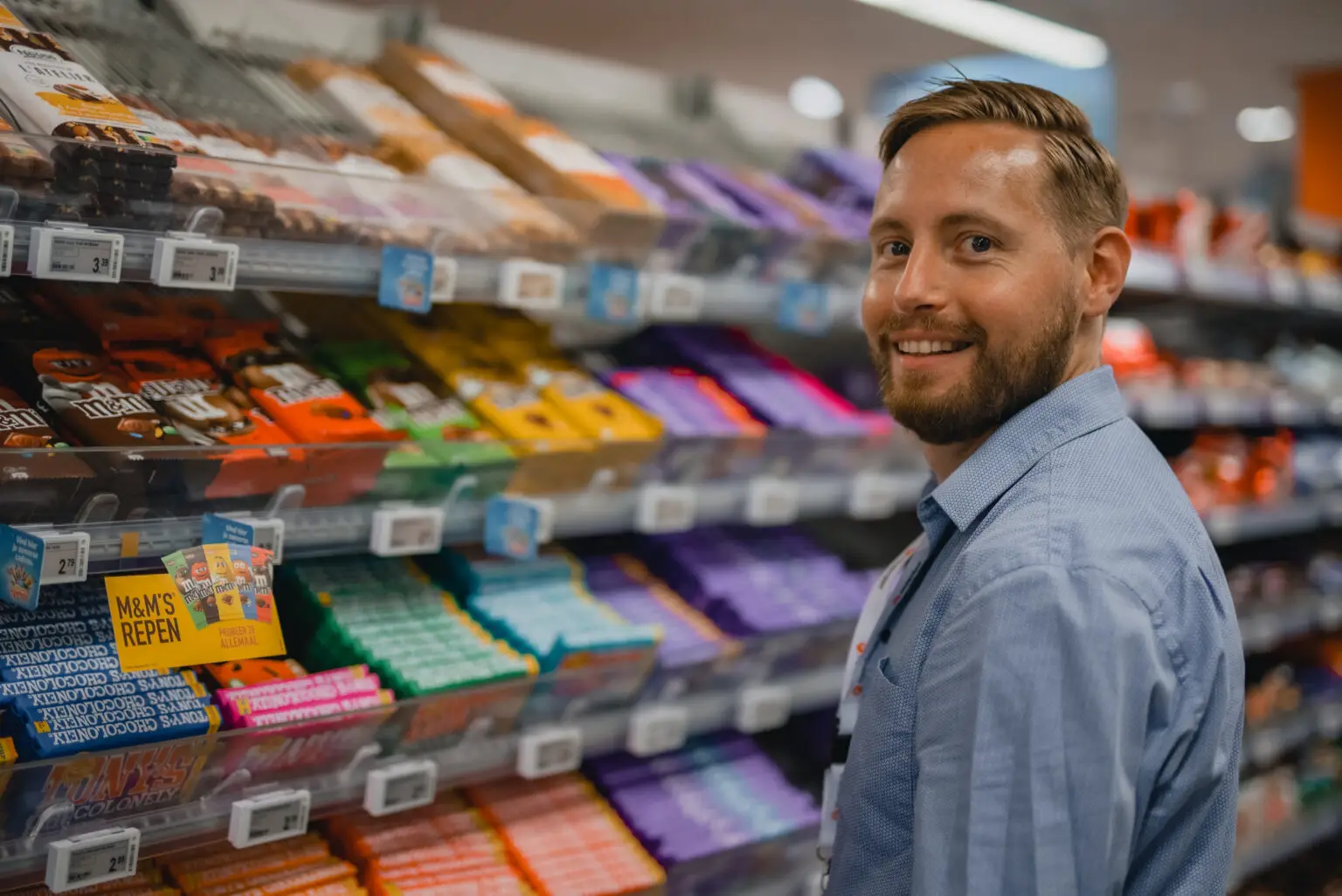
In the FMCG world, we see too many brands using the wrong tool for the job: measuring "shelf compliance" with a customer survey, or "brand experience" with a technical audit. To win, you need to differentiate between execution and perception. Both in-store audits and mystery shopping are powered by the same crowd-sourced engine to help you get instant KPIs — but they serve two very different strategic masters.
The Common Ground: Speed and Scale
Before looking at the differences, let's look at the infrastructure. Whether you audit or shop, the baseline remains the same:
- Real-time visibility — you see what's happening across Europe in just a few days.
- Operational agility — your internal team stops doing "checkups" and starts doing strategy.
- Actionable data — you don't get a PDF, you get a dashboard of triggers.
Through the Roamler app, auditors or shoppers are tasked to visit your point of sale, and report on the KPIs that matter to you.
In-Store Audits: The "Precision" Tool for Execution
If your goal is category management and shelf execution, you need an audit. This is a technical check — it's about the "hard" variables that dictate whether a sale is even possible.
- On-shelf availability (OSA) — you can't sell what isn't there. Audits give you a granular, SKU-level view of out-of-stocks across thousands of locations.
- On-shelf visibility — is your product at eye level? Is the price tag correct? Do you have your fair share of shelf?
- The "Perfect Store" programme — audits provide the right data for your negotiations with retailers. It's your proof of (non-)compliance.
Use audits when you need instant KPIs on supply chain compliance and shelf positioning — a granular view of availability at SKU, brand or category level.
Mystery Shopping: The "Insight" Tool for Experience
If your goal is brand equity and sales conversion, you need a mystery shopper.
- The consumer journey — what does it actually feel like to buy your product? Mystery shoppers document the friction points that a technical audit would miss.
- Staff performance & recommendations — is the salesperson actually recommending your brand? Are they trained on your USPs?
- The "Perfect Serve" — as seen with AB InBev's 60% sales lift on Corona, this is about the micro-details of service that turn a product into an experience.
Use mystery shopping when you need instant KPIs on service quality, staff knowledge and brand perception.
The Hybrid Model
The most aggressive brands don't choose — they sequence:
- Audit first — ensure the product is on the shelf and correctly priced (the foundation).
- Shop second — ensure the staff knows how to sell it and the experience is flawless (the accelerator).
Without the audit, the shopper finds an empty shelf. Without the shopper, the auditor misses the fact that the staff is discouraging the purchase.
Which lever do you need to pull today?
Our experts are ready to help you build the right combination of audits and mystery shopping for your specific KPIs.
Get in touch