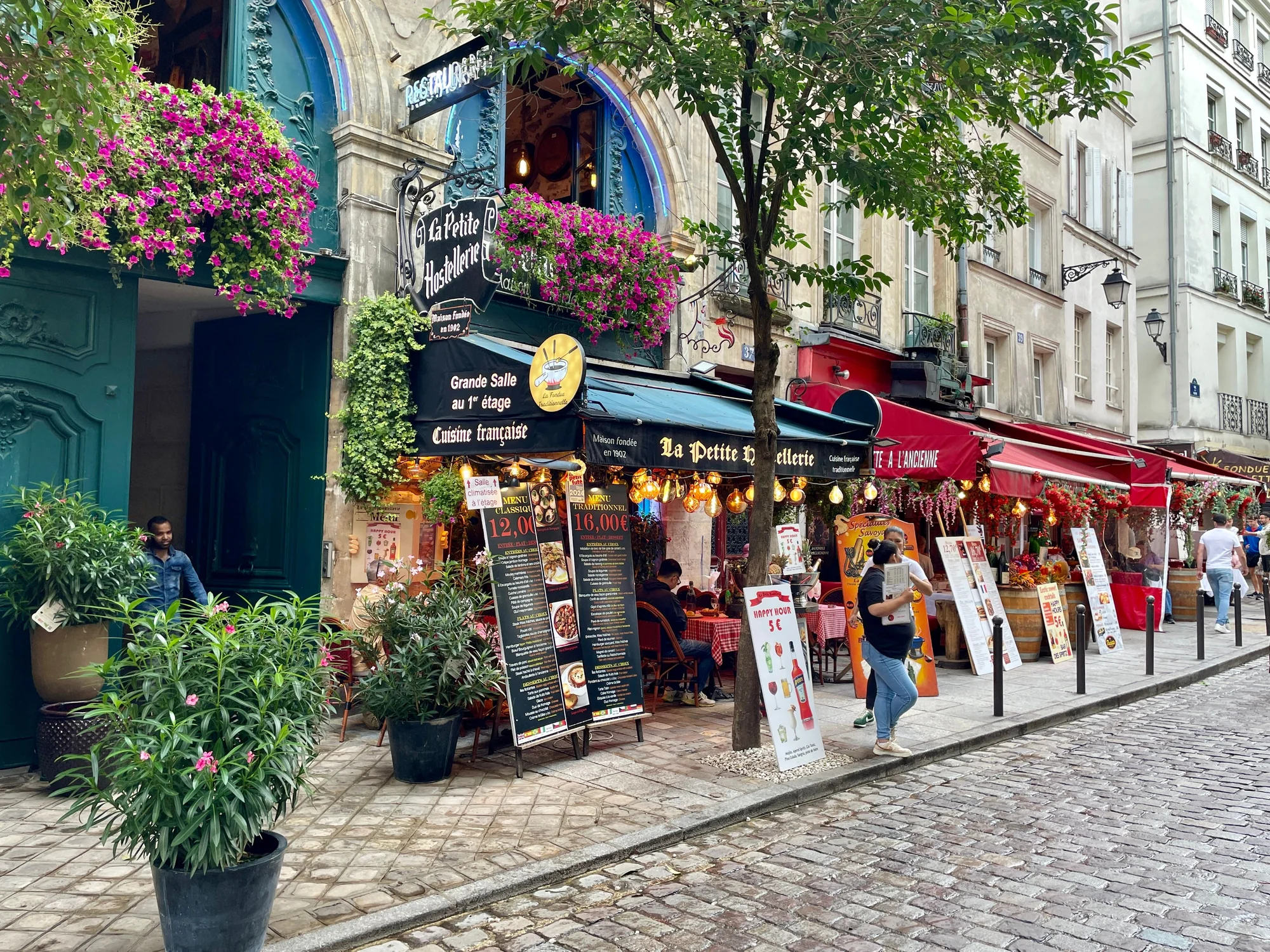
The number of bars and restaurants varies a lot across Europe, even when you take population into account. Using our Foodservice Database, we counted bars, pubs and restaurants in seven European countries and compared them with the number of residents, at national and regional level.
Scope: 649,214 bars, pubs and restaurants (social dining and fast casual) in the Roamler Foodservice Database, in Belgium, the Netherlands, Germany, France, the United Kingdom, Italy and Spain. Density is the number of venues per 100,000 residents, based on Eurostat population figures (2023; United Kingdom 2019). Regional figures include regions with at least 100 venues. Nine regions in the United Kingdom (Dorset, Bournemouth, Christchurch and Poole, and seven districts of Northern Ireland) are not included in the regional figures, because no matching population figure is available for them.
Bars and restaurants per 100,000 residents, by region.
Source: Roamler Foodservice Database, Eurostat.
Bars and Restaurants per Resident by Country
Spain has the most bars and restaurants per resident in Europe: 308 per 100,000 residents, or one for every 325 people. Italy and Belgium follow.
| Country | Bars and restaurants per 100,000 residents |
|---|---|
| Spain | 308 |
| Italy | 243 |
| Belgium | 220 |
| France | 189 |
| Netherlands | 125 |
| Germany | 124 |
| United Kingdom | 122 |
Number of bars, pubs and restaurants per 100,000 residents, by country. Source: Roamler Foodservice Database, Eurostat.
The Netherlands, Germany and the United Kingdom are almost level, with around one venue for every 800 residents. Compared with them, Spain has two and a half times as many bars and restaurants per resident.
Differences Between Regions
Spain's high density is not limited to a few areas. In 49 of its 51 provinces, there are at least 200 bars and restaurants per 100,000 residents. In Germany, the United Kingdom and the Netherlands, only a small share of regions reach that level.
| Country | Regions with 200+ venues per 100,000 residents |
|---|---|
| Spain | 49 of 51 |
| Italy | 86 of 107 |
| Belgium | 25 of 42 |
| France | 37 of 96 |
| Germany | 31 of 339 |
| United Kingdom | 11 of 167 |
| Netherlands | 2 of 39 |
Number of regions with at least 200 bars and restaurants per 100,000 residents (regions with at least 100 venues). Source: Roamler Foodservice Database, Eurostat.
In the Netherlands, the only regions above this level are Greater Amsterdam and Zeeuws-Vlaanderen.
Tourist Regions and City Centres
The regions with the highest density in Europe are mostly tourist areas, where venues serve visitors as well as residents: the Belgian coast around Veurne, the Moselle wine region in Germany, the Aosta Valley in Italy, Corsica and the Balearic Islands.
City centres also score high, for a similar reason. In central London, Westminster has the highest figure in Europe and Camden is also near the top, but many of their customers work or visit there and do not live there. These figures should be read with this in mind.
Capital Cities Compared With the Rest of the Country
Capitals do not follow one pattern.
| Country | Capital | Capital rate | National rate |
|---|---|---|---|
| France | Paris | 548 | 189 |
| Belgium | Brussels | 264 | 220 |
| Netherlands | Amsterdam | 219 | 125 |
| Germany | Berlin | 178 | 124 |
| Spain | Madrid | 230 | 308 |
| Italy | Rome | 249 | 243 |
Bars and restaurants per 100,000 residents, capital region vs. national average. Source: Roamler Foodservice Database, Eurostat.
Paris, Brussels, Amsterdam and Berlin have more bars and restaurants per resident than the rest of their country. Paris has almost three times the French average. Rome is roughly level with the Italian average and Madrid is below the Spanish one, because density in Spain and Italy is already high outside the capital.
What This Means for Brands
The number of venues per resident tells brands how many outlets they need to reach to cover the same number of consumers. In Spain, that number is two and a half times higher than in Germany, the Netherlands or the United Kingdom. This affects the size of sales teams, the cost of distribution and how brands choose which outlets to prioritise.
The regional picture matters too. In Spain and Italy, high density is spread across the country. In the north of Europe, it is concentrated in a few cities and tourist areas.
Conclusion
Spain has the most bars and restaurants per resident in Europe, followed by Italy and Belgium. The Netherlands, Germany and the United Kingdom have less than half as many. In Spain, high density is found almost everywhere, while in northern Europe it is limited to large cities and tourist regions. For brands, these differences shape how many outlets they need to reach and where to focus.
Know Every Outlet in Your Market
Our Foodservice Database covers 4M+ locations across Europe, with cuisine, price level, chain affiliation and 30+ other attributes, updated continuously.
Discover the Foodservice Database